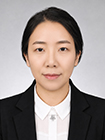
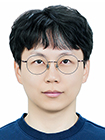
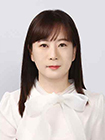
IBS: Mechanisms Preserving Genome Stability Under Stress
This session focuses on the cellular pathways that safeguard genome stability under endogenous and environmental stress. Maintaining genome integrity requires the continuous detection and repair of DNA damage, together with the careful coordination of DNA replication and chromosome maintenance. Disruption of these processes is closely linked to cancer and numerous other human diseases. By highlighting recent advances in this field, the session will provide insight into the fundamental mechanisms that preserve genome integrity and their relevance to disease pathogenesis and therapeutic innovation.
| November 5 (Thu) 09:00-11:00 |
| Chair: Kyungjae Myung (IBS, Korea), Kei-ichi Takata (IBS, Korea) |
| 09:00-09:30 |
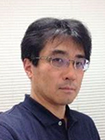
Mechanism and regulation of DSB repair by DNA end-joining pathways
Noritaka Adachi
Yokohama City University, Japan
|
| 09:30-09:50 |
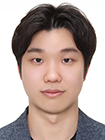
Polymerase θ inhibitor traps lethal intermediates in complex DSB repair
Chanwoo Kim
UNIST, Korea
|
| 09:50-10:10 |
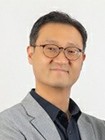
The DNA helicase HELQ orchestrates fork reversal and repair
Kei-ichi Takata
IBS, Korea
|
| 10:10-10:35 |
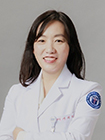
Single-molecule studies on AP search mechanism and the role of IDR of APE1
Jayil Lee
UNIST, Korea
|
| 10:35-11:00 |
KEAP1 loss rewires stressed forks toward POLθ-dependent gap repair
Younghoon Kee
DGIST, Korea
|
Women in Science: Sex Differences in Gene Regulation and Disease Susceptibility
This session highlights how sex differences in gene regulation influence disease susceptibility, progression, and therapeutic responses from genetic and genomic perspectives. Recent studies have shown that sex-specific gene expression and regulatory networks are key determinants of disease risk and drug responsiveness. This session will integrate findings from functional genomics, molecular genetics, and transcriptomics to discuss the biological significance of sex-dependent gene regulation and its implications for precision medicine and personalized therapy.
| November 5 (Thu) 09:00-11:00 |
| Juyoun Kim (Hanyang University, Korea), Jeongeun Hyun (Dankook University, Korea) |
| 09:00-09:25 |
Beyond XX and XY: Why sex matters in basic biomedical research)
Suk Kyeong Lee
The Catholic University of Korea, Korea
|
| 09:25-09:50 |
Sex matters: Exploring sex-dependent molecular features in lung cancer
Hong Sook Kim
Sungkyunkwan University, Korea
|
| 09:50-10:15 |
Chemoresistance in a sex-specific cancer: The role of metabolic reprogramming
Ji Hae Seo
Keimyung University School of Medicine, Korea
|
| 10:15-10:40 |
Sex-specific epigenetic aging as a link between clinical risk factors and disease outcomes
Kyeezu Kim
Sungkyunkwan University School of Medicine, Korea
|
| 10:40-11:00 |
AAV-compatible genome editing platform for therapeutic application
Jeong Mi Lee
Korea Research Institute of Bioscience and Biotechnology (KRIBB), Korea
|
Boston Korea: Emerging Organoid Technologies and Their Biomedical Applications
This session explores emerging organoid-based technologies and biological discoveries as sophisticated model systems for biomedical research. It focuses on their applications in drug screening, mechanistic analysis, and systematic functional genomic approaches, with particular emphasis on their value for studying complex biological phenomena in physiologically relevant contexts.
| November 5 (Thu) 09:00-11:00 |
| Chair: Jeonghee Cho (Dankook University, Korea) |
| 09:00-09:30 |
Human periportal liver assembloids for in vitro tissue modeling
Yohan Kim
SungKyunKwan University, Korea
|
| 09:30-10:00 |
Tumor organoids reveal senescent fibroblast-driven metabolic rewiring and plasticity in lung cancer
Jin Young Lee
Inha University, Korea
|
| 10:00-10:30 |
Engineering organoids with biomaterials and microdevices: Toward advanced tissue models
Seung-Woo Cho
Yonsei University, Korea
|
| 10:30-11:00 |
Functional genomics-based validation of anticancer drug targets in organoid models
Jeonghee Cho
Dankook University, Korea
|
G-LAMP Spotlight: Emerging Voices in Biology and Genetics
The G-LAMP program, initiated in 2023, was established to build a university-led research platform and nurture talented early-career scientists to tackle fundamental questions in basic science. At this session of the International Conference of the Genetics Society of Korea 2026 (ICGSK 2026), three G-LAMP institutions (Kangwon Nat’l Univ., Chosun Univ., and Dong-A Univ.) present their latest advances in immune responses to infection and aging, gene regulation in disease, and multi-omic approaches to biological complexity. We warmly invite you to witness the progress of G-LAMP and the emerging voices of Korean science.
| November 5 (Thu) 15:20-17:50 |
| Chair: Jongmin Park (Kangwon National University, Korea), Seok-Jun Kim (Chosun University, Korea) |
| 15:20-15:50 |
DAU Innovation of Center for Atomic Science: Establishment and collaborative research framework
Tae Hwan Shin
Dong-A University, Korea
|
| 15:50-16:00 |
Discovery of a KLHL41 ligand for muscle cell specific protein degradation
Jaeseok Lee
Kangwon National University, Korea
|
| 16:00-16:10 |
CRISPR-Mediated VEGF Knockout for the retinal disease treatment
Hyeonjoong Kwon
Kangwon National University, Korea
|
| 16:10-16:20 |
Development of genetically engineered feeder cells expressing ecto-calreticulin for NK cell expansion
JinHak Shin
Kangwon National University, Korea
|
| 16:20-16:30 |
AOAH-mediated LPS inactivation limits macrophage endotoxin tolerance and promotes inflammation and fibrosis in MASH
Hanna Lee
Kangwon National University, Korea
|
| 16:30-16:40 |
FGF18 promotes muscle stem cell hyperplasia and impairs myogenic differentiation through FGFR4-YAP signaling
Dong-Hyun Kim
Kangwon National University, Korea
|
| 16:40-16:50 |
Entrectinib attenuates LPS-induced neuroinflammation and ameliorates cognitive impairment
Hanwoong Woo
Kangwon National University, Korea
|
| 16:50-17:00 |
Nuclear Galectin-1 drives cancer progression through O-GlcNAcylation-Dependent regulation of SOX2
Woong Kim
Chsosun Univiersity, Korea
|
| 17:00-17:10 |
mTOR-based molecular strategies for regulating muscle regeneration and differentiation
Mi-Ock Baek
Chsosun Univiersity, Korea
|
| 17:10-17:20 |
Changes in the temporal organization of slow waves associated with sleep fragmentation
Tae-yun Kim
Chsosun Univiersity, Korea
|
| 17:20-17:30 |
Natural product-based translational strategies for healthy aging and age-associated disorders
Da-In Choi
Chosun University, Korea
|
| 17:30-17:40 |
Bacillus velezensis NST6: From genome mining to structural characterization of bioactive compounds with antistaphylococcal activity
Jiyoung Nam
Chsosun Univiersity, Korea
|
| 17:40-17:50 |
A Study on PRIM1-mediated cell cycle regulation in gastric cancer and combination therapy with chemotherapeutic agents
Seung-Eun Lee
Chsosun Univiersity, Korea
|
LnCBio: Integrated NGS and Multi-Omics Solutions for Advanced Biological Discovery
This session introduces cutting-edge Next-Generation Sequencing (NGS) workflows and multi-omics platforms designed to seamlessly consolidate high-throughput data and capture the full complexity of biological systems. As these technologies continue to rapidly evolve, an integrated, systems-level approach has become essential for uncovering complex biological mechanisms and accelerating translational research. Through these presentations, attendees will gain valuable insights into the latest strategic solutions driving the future of genomic discovery and precision medicine.
 Nov. 4(Wed) - 6(Fri), 2026
Gunsan Saemangeum Convention Center
Nov. 4(Wed) - 6(Fri), 2026
Gunsan Saemangeum Convention Center